
Why software testing training delivers a high ROI
Software quality directly impacts customer satisfaction, security, and business continuity. Yet many organizations invest heavily in development while overlooking one of the biggest drivers of software quality: the skills of their testing team.
Investing in software testing training helps teams detect defects earlier, improve collaboration, accelerate releases, and reduce quality-related costs. In this article, we explore why training your QA team delivers measurable business value.
1. How training improves software quality
Well-trained testers are better equipped to finds and help resolve defects early in the development cycle, this leads to higher-quality software. Investing in training ensures your team is always up to date with the latest testing methodologies, tools, and best practices. This can improve the overall reliability of your product and customer satisfaction.
2. How training can reduce defects and rework costs
The financial impact of software bugs increases exponentially as they are discovered later in the software development lifecycle. By investing in training, your testers are better equipped to identify these issues earlier, reducing the need for costly post-release patches or, even worse, the customer impact and reputational damage caused by production incidents.
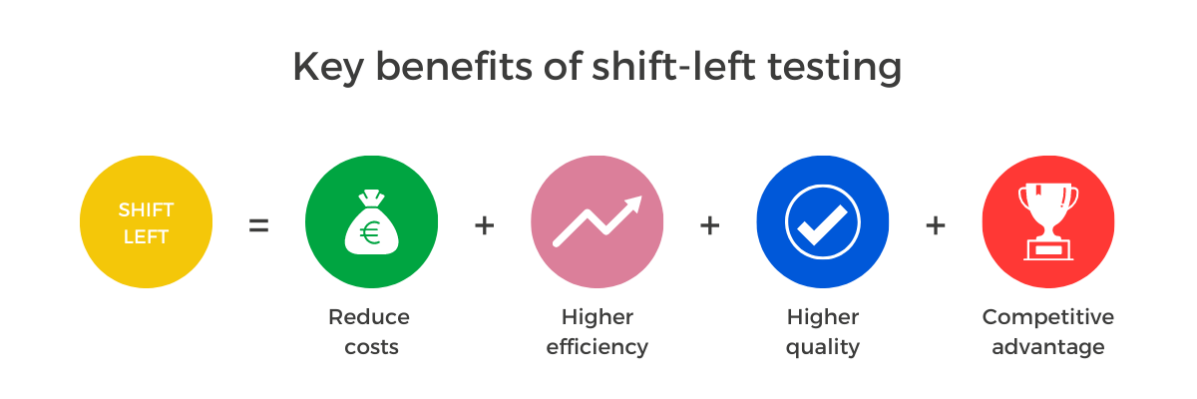
A great example of this is the shift-left testing approach, which advocates for testing early and often during the development process. By educating your team in shift-left methodologies, testing is integrated into every stage of development, allowing defects to be found before they snowball into larger problems.
3. The business cost of poor software quality
The hidden costs of poor software quality go far beyond fixing bugs. They include lost sales opportunities, damage to brand reputation, and customer loss. In today’s competitive market, users expect smooth, bug-free experiences. Reliable software can strengthen customer loyalty and support retention, referrals and long-term revenue.
4. Faster time-to-market through efficient testing
Training your software testing team helps streamline testing processes, allowing them to be more efficient and effective. Skilled testers can detect and address issues faster, which can contribute to a quicker development cycle and, ultimately, a faster time-to-market. Releasing high-quality software faster not only sets your business apart but also establishes a reputation for reliability and excellence in your industry. This can help you maintain a strong market position.
5. Future-proofing your software testing team
As technology evolves, so do testing methodologies, tools, and techniques. Staying ahead in software testing requires continuous learning and adaptation to new trends like automation, AI-assisted testing, and DevOps practices. By investing in ongoing training for your testers, you’re future-proofing your organization, ensuring that your team is equipped to handle the latest challenges in software quality assurance.
Conclusion: connect training to measurable business outcomes
Whether you’re an aspiring software tester looking to build a rewarding career or a decision-maker focused on improving your organization’s product quality, investing in software testing training delivers significant returns. It’s an investment that drives better product quality, reduces costs, improves customer satisfaction, and accelerates time-to-market.
Want to strengthen your team’s testing capabilities? Explore our trainings that match your quality goals, current skill gaps and tools.